Skip to content


Where Architecture Meets Hospitality Strategy
In the hospitality industry, architecture is far more than a visual statement. It is a strategic business tool that shapes guest perception, operational efficiency, brand identity, and long-term profitability. From luxury resorts and boutique hotels to urban business hotels and mixed-use hospitality developments, architectural design directly influences how guests feel, behave, and remember a place.
In an era where travelers choose destinations based on Instagrammability, sustainability, wellness, and authentic experiences, hospitality architecture has become a powerful differentiator. Thoughtfully designed spaces can elevate service quality, increase occupancy rates, and strengthen brand loyalty—making architecture a central pillar of modern hospitality success.
The Role of Architecture in the Guest Experience
First Impressions and Emotional Impact
The guest journey begins long before check-in. The approach to the building, the façade, and the entrance sequence create the first emotional response. A well-designed hotel communicates comfort, luxury, innovation, or cultural authenticity within seconds.
Hospitality architects carefully choreograph:
- Arrival experiences
- Lobby flow and visibility
- Natural light and material transitions
- Scale and proportions that reduce stress and enhance comfort
These elements influence whether guests feel welcomed, inspired, or overwhelmed.
Spatial Flow and Functionality
Efficient circulation is critical in hospitality architecture. Guests should intuitively understand where to go—whether it’s the reception, elevators, restaurants, or spa. Poor layout design can lead to confusion, congestion, and dissatisfaction.
Successful hotel architecture balances:
- Back-of-house efficiency
- Guest privacy
- Seamless service routes
- Clear wayfinding without excessive signage
Hospitality Architecture as Brand Identity
Architecture as a Brand Story
In hospitality, architecture often is the brand. Iconic examples by architects such as Frank Gehry or Zaha Hadid demonstrate how bold architectural language can transform hotels into global destinations.
Boutique hotels, in particular, rely on architecture to:
- Express local culture and heritage
- Create a unique narrative
- Differentiate from standardized chain hotels
Every design decision—from materials to massing—reinforces brand positioning.
Consistency Across Touchpoints
Strong hospitality brands ensure architectural consistency across:
- Exterior design
- Guest rooms
- Public spaces
- F&B outlets
- Wellness and leisure facilities
This consistency builds recognition, trust, and emotional attachment.
Sustainability and Eco-Conscious Hotel Design
Sustainability as a Guest Expectation
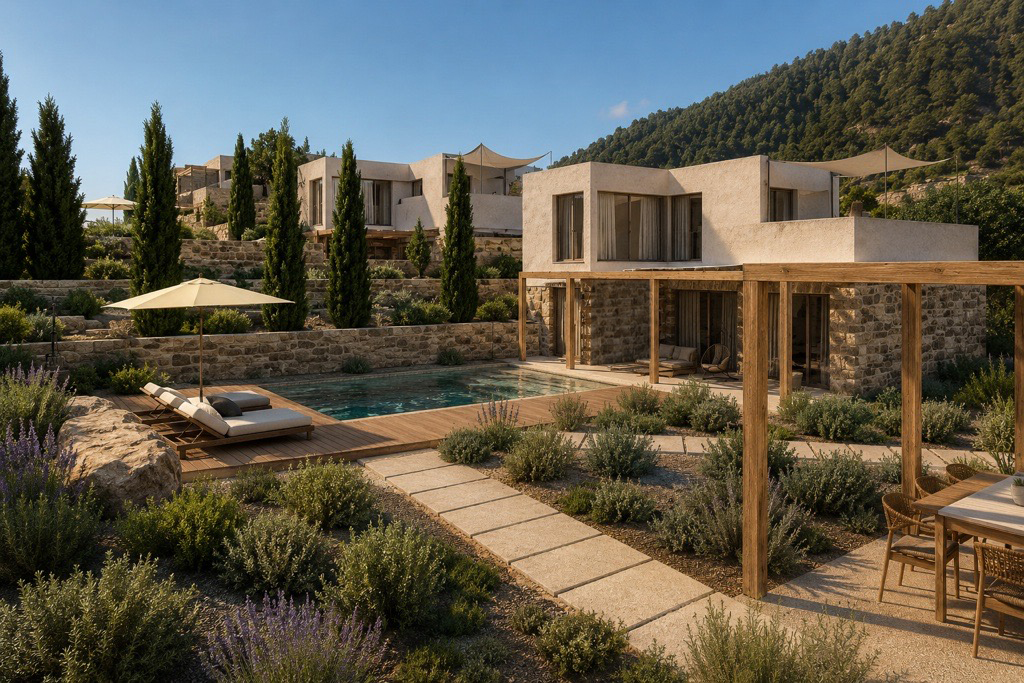
Sustainable architecture is no longer optional in hospitality. Guests increasingly seek eco-friendly hotels that align with their values. Energy efficiency, water conservation, and responsible material sourcing are now key booking drivers.
Key sustainable strategies include:
- Passive design and natural ventilation
- Solar shading and high-performance façades
- Rainwater harvesting systems
- Locally sourced and low-carbon materials
Biophilic Design in Hospitality
Biophilic architecture—integrating nature into built environments—has become a defining trend in hospitality design. Green walls, courtyards, water features, and landscape integration improve guest well-being while reducing environmental impact.
Hotels that successfully blend architecture and nature often achieve:
- Higher guest satisfaction scores
- Longer stays
- Stronger emotional connections
The Impact of Architecture on Hotel Operations
Designing for Efficiency and Profitability
Great hospitality architecture supports operational efficiency behind the scenes. Poor planning can increase staffing costs, maintenance issues, and energy consumption.
Architectural decisions affect:
- Housekeeping logistics
- Food service flow
- Staff circulation
- Maintenance access
By aligning design with operational needs, hotels can reduce costs while improving service quality.
Flexibility and Future Adaptability
Post-pandemic hospitality has highlighted the need for adaptable architecture. Hotels now require:
- Flexible public spaces
- Hybrid work and meeting areas
- Convertible rooms
- Outdoor social spaces
Architects increasingly design hotels that can evolve with changing guest behaviors and market demands.
Technology-Driven Hospitality Architecture
Smart Buildings and Guest Personalization
Technology is reshaping hospitality architecture. Smart rooms, contactless check-in, and integrated building management systems are now essential.
Architectural design must accommodate:
- IoT infrastructure
- Automated lighting and climate systems
- Acoustic optimization for digital comfort
- Seamless integration of technology without visual clutter
Well-designed smart hotels enhance convenience while preserving a warm, human experience.
Cultural Context and Local Identity in Hospitality Design
Authenticity as a Competitive Advantage
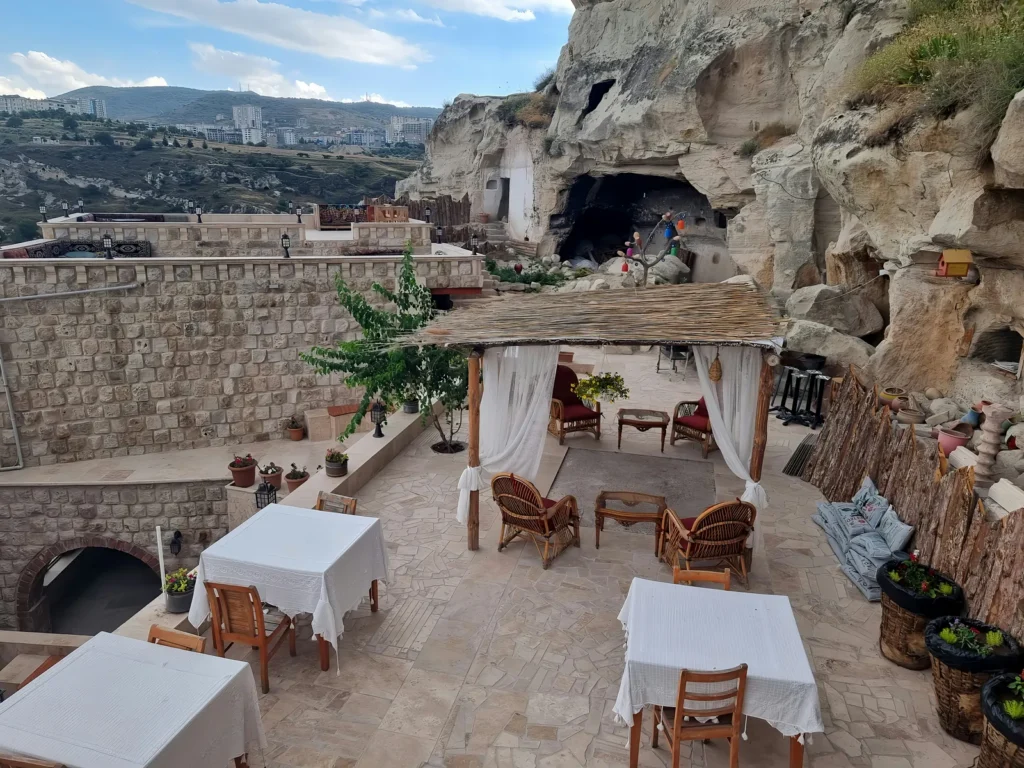
Travelers increasingly seek authentic experiences rooted in local culture. Architecture plays a key role in expressing regional identity through:
- Vernacular forms
- Traditional materials
- Local craftsmanship
- Context-responsive design
Resorts and hotels that respect their surroundings create deeper connections with guests and communities alike.
Destination Architecture as a Marketing Tool
Iconic hospitality architecture can transform a hotel into a destination itself. From desert resorts to urban landmarks, architecture becomes a powerful visual asset used in:
- Digital marketing
- Social media campaigns
- Travel publications
- Brand storytelling
Hospitality Architecture and SEO: Why Design Matters Online
Visual Architecture and Digital Performance
In the digital age, architecture influences SEO indirectly through:
- High-quality imagery
- Longer website engagement
- Social media shares
- Backlinks from design and travel publications
Visually striking hotels perform better across search engines because users spend more time engaging with content.
Keywords That Connect Architecture and Hospitality
SEO-optimized hospitality architecture content should focus on keywords such as:
- Hospitality architecture firm
- Hotel design architects
- Luxury hotel architecture
- Resort master planning
- Sustainable hotel design
Well-structured content that highlights architectural expertise attracts both travelers and investors.
Future Trends in Architecture and Hospitality
Wellness-Focused Design
Wellness is shaping the future of hospitality architecture. Hotels now prioritize:
- Natural light and air quality
- Acoustic comfort
- Spa-integrated layouts
- Fitness-oriented spatial planning
Architecture supports physical and mental well-being as a core hospitality offering.
Experiential and Hybrid Spaces
The line between hotel, workspace, residence, and cultural venue continues to blur. Future hospitality architecture will emphasize:
- Mixed-use environments
- Community integration
- Experiential design over traditional luxury
- Story-driven spaces
Architecture as the Foundation of Hospitality Success
Architecture and hospitality are inseparable. From shaping guest emotions to driving operational efficiency and brand identity, architectural design defines how hospitality businesses compete in a crowded global market.
Hotels and resorts that invest in thoughtful, sustainable, and guest-centered architecture are better positioned to:
- Attract modern travelers
- Increase online visibility
- Strengthen brand loyalty
- Achieve long-term profitability
In the hospitality industry, architecture is not just about buildings—it is about creating memorable experiences that guests carry with them long after check-out.