Skip to content
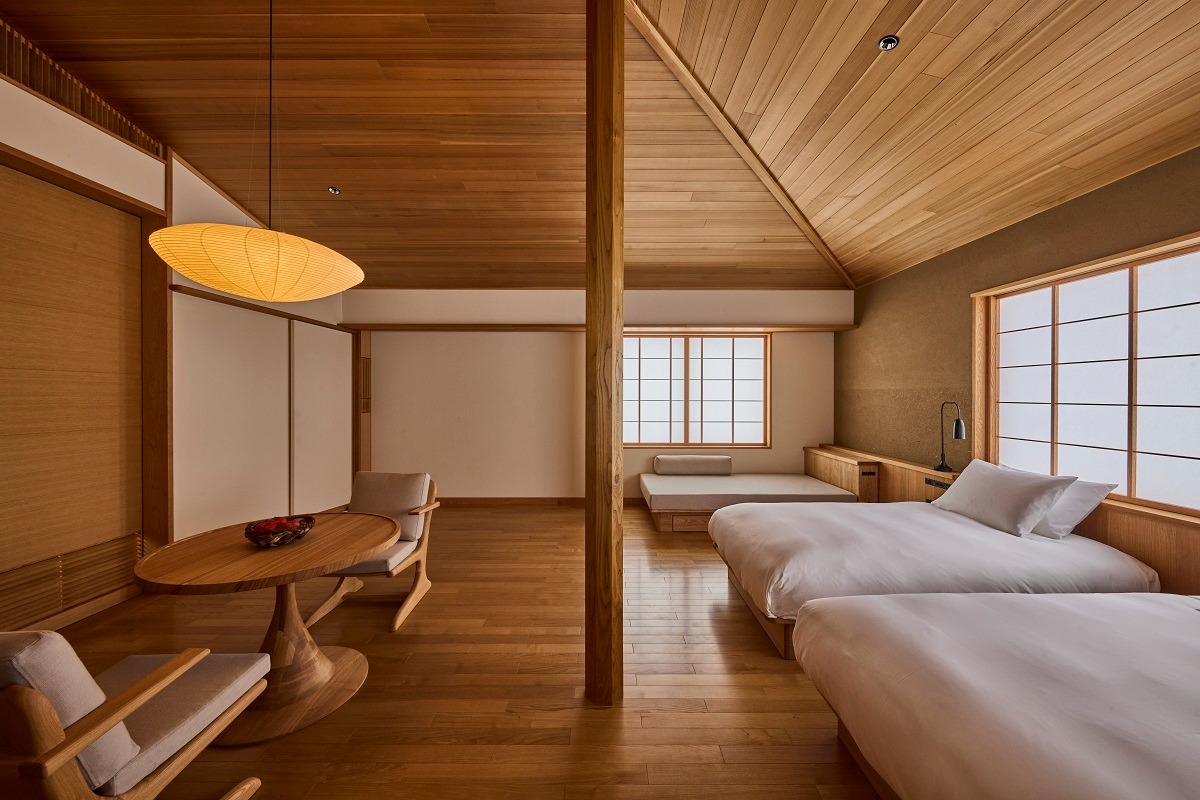
At 93, Adrian Zecha — the visionary behind Aman Resorts — is redefining luxury hospitality once again. But this time, the shift is unexpected. It is not about private islands, iconic architecture, or extravagant materials.
It is about removal.
- Less design.
- Less noise.
- Less presence.
And in that absence, something more powerful emerges.
From “More” to “Enough”
For decades, luxury hospitality has been driven by excess:
• larger spaces
• signature architecture
• curated visual impact
Now, we are witnessing a transition toward something fundamentally different:
Luxury is no longer what you add. It is what you choose to leave out.
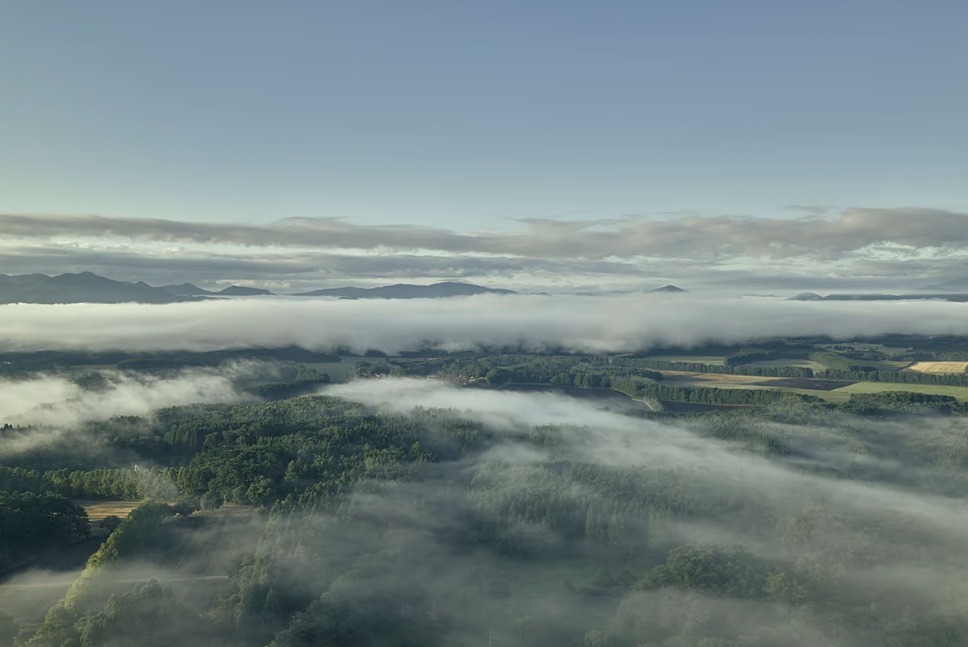
Projects like Azuma Farm Koiwai are built around:
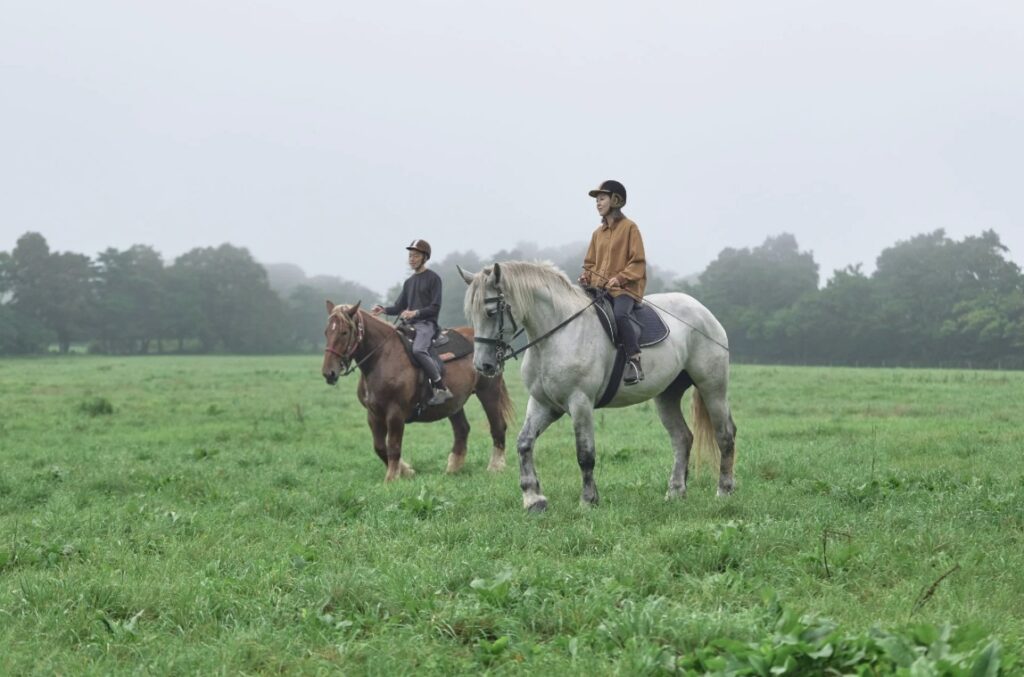
• working landscapes
• raw materials
• silence and slowness
Architecture becomes background, not statement.
This new direction challenges one of the biggest architectural egos:
the need to be seen.
Instead, it proposes:
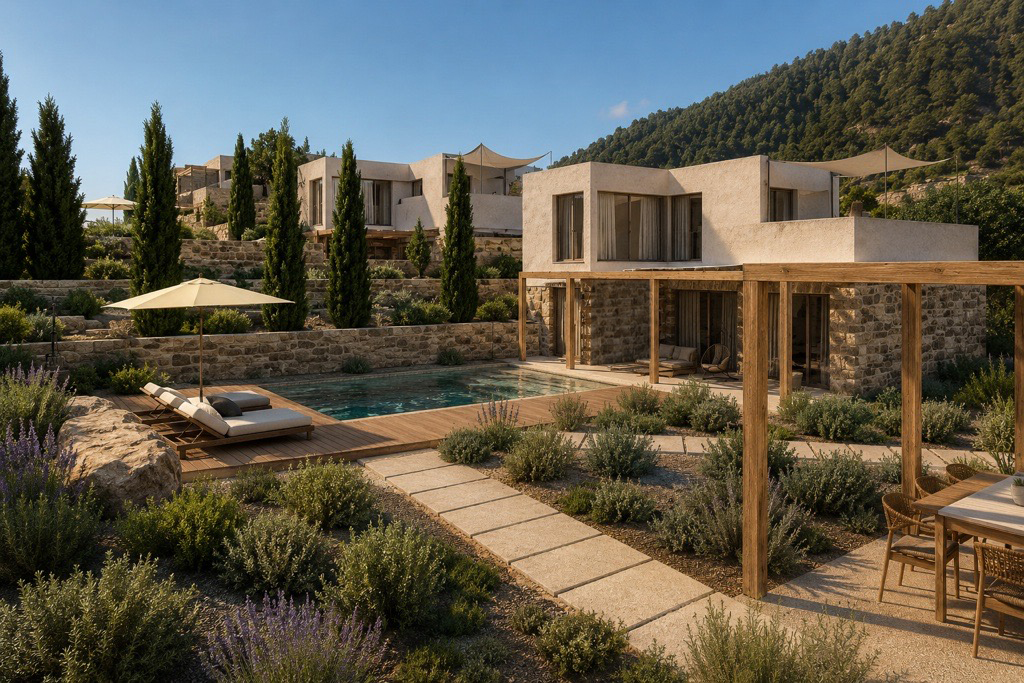
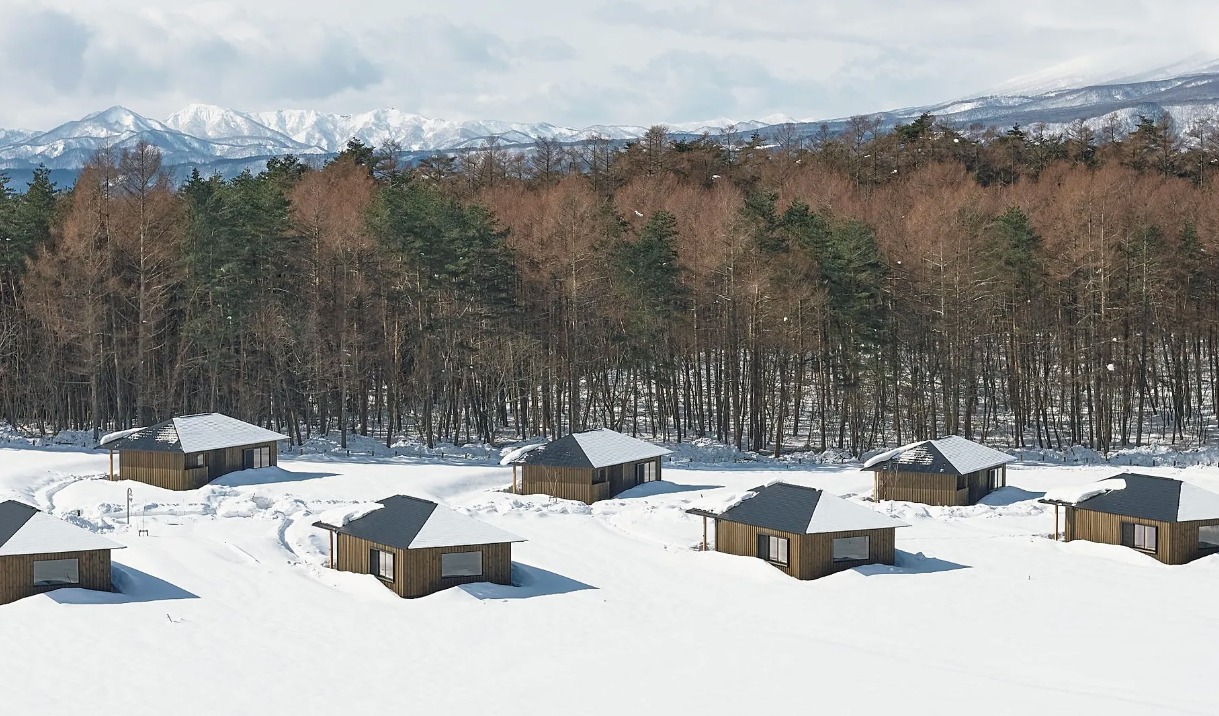
• buildings that blend into the land
• interiors that feel inevitable, not designed
• materials that age, not impress
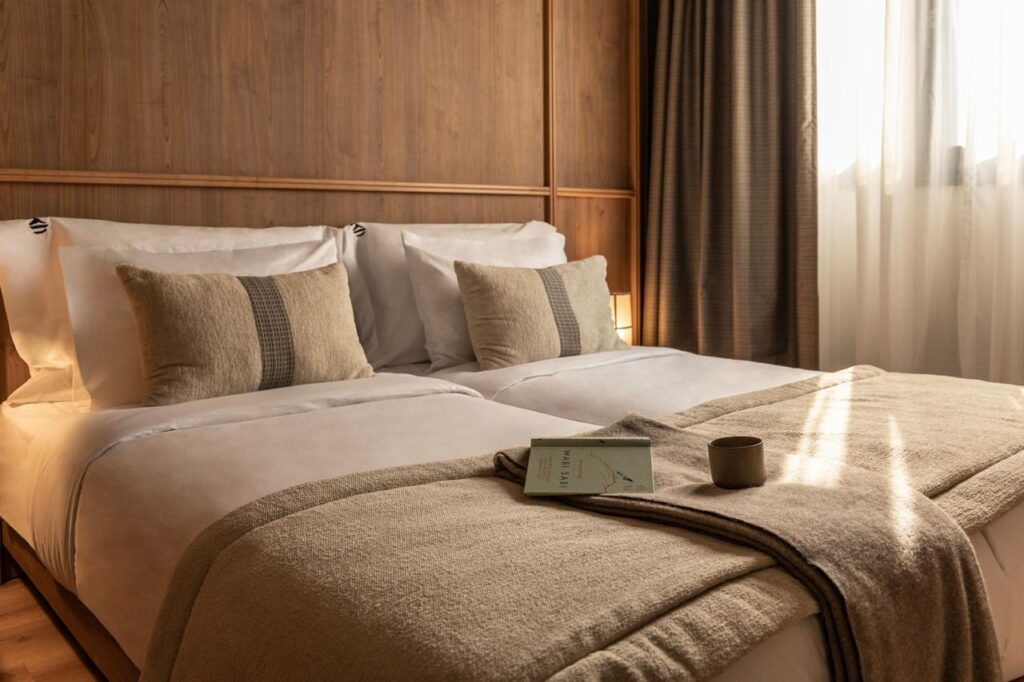
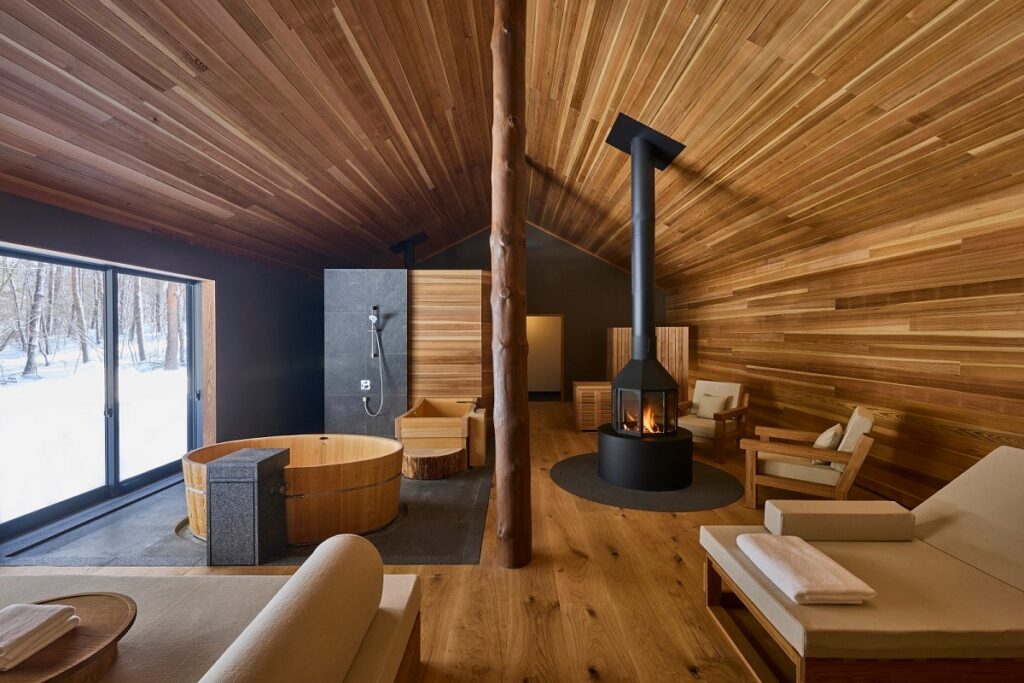
Wood, stone, soft light.
No iconic gestures. No visual noise.
Just clarity.
The Psychology of the New Luxury Hospitality
This is not just aesthetic. It is behavioral.
Today’s high-end user is:
• overstimulated
• constantly connected
• visually saturated
What they seek is not luxury as status — but luxury as relief.
And architecture responds by offering:
• silence instead of spectacle
• space instead of density
• presence instead of distraction
What This Means for Design Today
For architects and developers, this shift is critical.
This new model of luxury demands:
- Restraint as a Design Skill
Not what you design — what you intentionally avoid. - Material Honesty
Natural materials, imperfect, tactile, real. - Integration with Context
Landscape is not a view. It is part of the project. - Emotional Experience over Visual Impact
The project is not photographed. It is felt.
Hospitality Architecture as a Digital Strategy
In today’s competitive hospitality landscape, architecture is no longer just about aesthetics — it is a strategic tool for visibility and differentiation. Thoughtfully designed hospitality spaces contribute directly to a project’s digital presence, influencing how resorts, boutique hotels, and wellness retreats are discovered online. From spatial storytelling to material authenticity, every architectural decision becomes part of a broader narrative that enhances brand positioning, user engagement, and ultimately, search performance. For an architecture office, integrating hospitality SEO thinking into the design process means creating spaces that are not only experienced physically, but also resonate strongly across digital platforms.
At THE ARDE STUDIO®, we understand that hospitality architecture must perform on multiple levels — experiential, operational, and digital. Projects designed with clarity, context, and emotional depth naturally generate stronger visual identity, higher-quality content, and increased online discoverability. By aligning architectural concepts with hospitality branding and SEO strategy, we help create destinations that stand out both in reality and in search results. In this new era of luxury, the most successful spaces are not just designed to be visited — they are designed to be found.
A Direction, Not a Trend
This is not minimalism as a style.
It is a deeper repositioning of architecture:
from object → to experience
from image → to atmosphere
And this is where the real opportunity lies.
THE ARDE STUDIO® Perspective
At THE ARDE STUDIO®, we approach architecture as a continuous process — from concept to construction.
What we see in this new movement is not a limitation, but a refinement:
• clarity over complexity
• intention over decoration
• experience over form
Because in the end,
the most powerful spaces are not the ones you notice first —
but the ones you don’t want to leave.