Skip to content
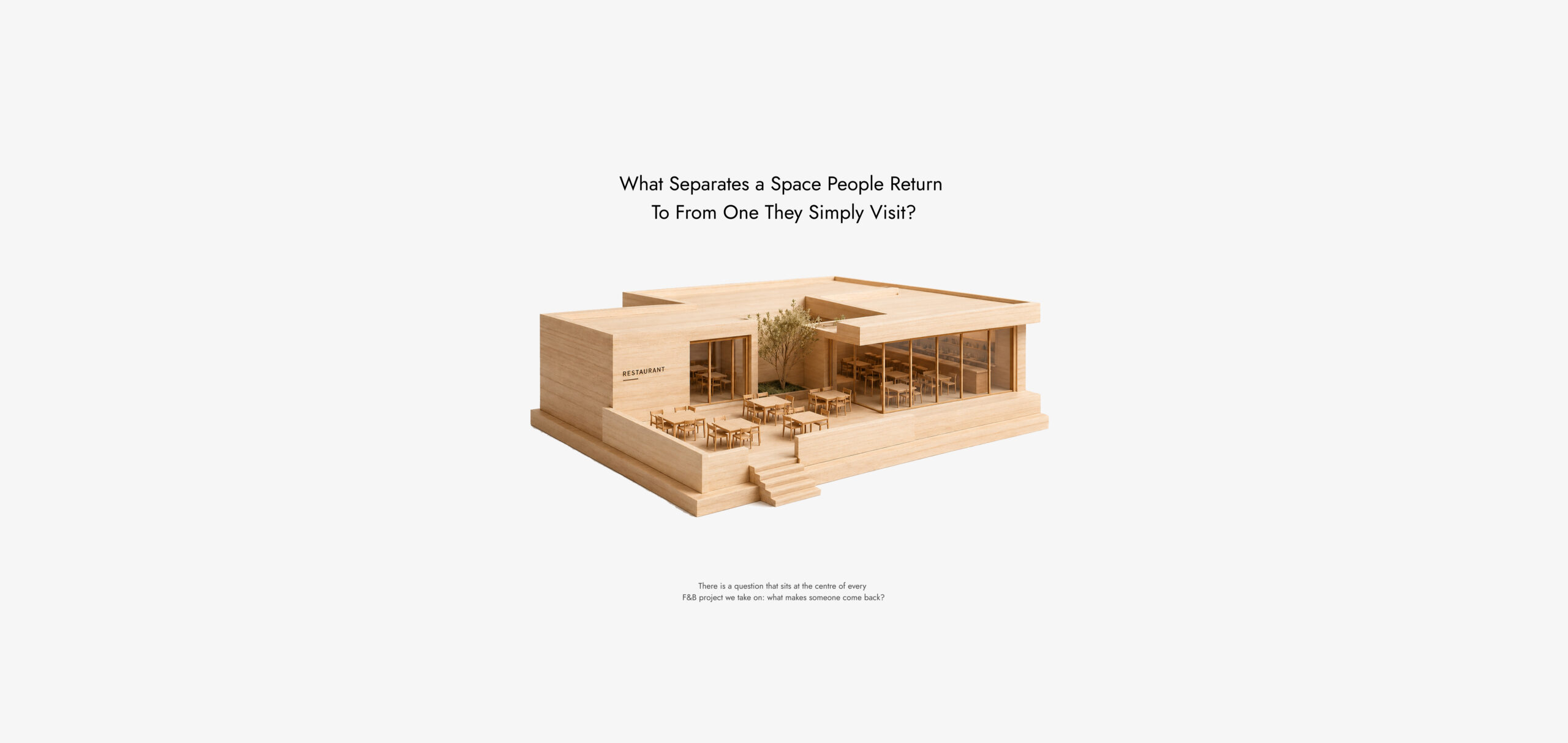
Creating a restaurant or bar is not just about serving food and drinks—it’s about crafting an experience people want to revisit. Some spaces become rituals in people’s lives, while others are visited once and forgotten. The difference lies largely in interior design and architecture, which shape emotion, memory, and behavior far more than most owners realize.
A well-designed venue doesn’t just look good—it feels right. It tells a story, guides movement, influences mood, and subtly encourages guests to stay longer, spend more, and come back again.
This article explores:
- The 10 architectural and design elements that truly matter
- Historic design movements and iconic spaces that shaped modern hospitality design
- Practical tips for owners who want to build spaces people love—not just visit once
1. The Psychology of First Impressions
The moment a guest approaches your venue, the experience has already begun.
Entryways, façades, lighting, and signage all contribute to what psychologists call “arrival emotion.” A strong first impression creates anticipation and sets expectations.
Think of iconic hospitality spaces like the Café de Flore in Paris—its recognizable exterior and terrace seating immediately signal identity and atmosphere.
What matters:
- Clear identity from the outside
- Visible energy (light, movement, people)
- A sense of invitation rather than intimidation
2. Flow & Circulation: The Invisible Architecture
Guests should never feel confused about where to go.
Great design creates intuitive movement:
- Entrance → host → seating → bar → restrooms
- Staff routes that don’t disrupt guests
- Smooth transitions between zones
Poor flow leads to frustration, crowding, and shorter stays.
Architecturally, this is about:
- Sightlines
- Path width
- Spatial hierarchy
3. Lighting: The Most Powerful Emotional Tool
Lighting defines mood more than any other element.
Restaurants people return to often have:
- Warm, layered lighting (not just overhead)
- Adjustable intensity for day vs. night
- Accent lighting highlighting textures or food
Too bright feels clinical. Too dark feels uncomfortable.
The balance creates:
- Intimacy
- Comfort
- Visual depth
4. Acoustics: The Hidden Dealbreaker
Many beautiful restaurants fail because they sound terrible.
Noise affects:
- Conversation comfort
- Perceived crowding
- Length of stay
Architectural solutions include:
- Acoustic panels
- Soft materials (wood, textiles)
- Ceiling design to diffuse sound
A space that sounds good feels good—even if guests don’t consciously notice why.
5. Materiality: Texture Over Decoration
People connect emotionally with materials, not just colors.
Successful spaces use:
- Natural wood
- Stone
- Aged metals
- Textiles
These materials age well and create authenticity.
Contrast this with overly polished or synthetic spaces, which often feel temporary and forgettable.
6. Spatial Zoning: One Space, Multiple Experiences
Great venues offer variety within a single environment:
- Social bar areas
- Intimate dining corners
- Communal tables
- Outdoor transitions
This allows guests to:
- Choose their experience
- Return for different moods
Zoning also increases revenue by accommodating diverse customer types.
7. The Bar as a Stage
In many successful venues, the bar is not just functional—it’s theatrical.
Design elements:
- Open visibility
- Elevated or central placement
- Dramatic lighting
- Material contrast
The bartender becomes part of the experience.
Historically, this concept evolved strongly during the rise of cocktail culture in the early 20th century.
8. Identity & Storytelling
Memorable spaces tell a story.
This doesn’t mean heavy theming—it means:
- A clear concept
- Consistency in design language
- Emotional coherence
For example, industrial-style bars often draw inspiration from adaptive reuse of old buildings, reflecting authenticity and history.
9. Comfort vs. Density Balance
Owners often try to maximize seating—but overcrowding kills experience.
Key considerations:
- Chair comfort
- Table spacing
- Personal space
Guests return to places where they feel physically comfortable, even if they can’t explain why.
10. Sensory Cohesion: The Full Experience
Design is not just visual. It’s:
- Sound
- Smell
- Temperature
- Touch
Great spaces align all these elements into one cohesive experience.
For example:
- Warm lighting + soft textures + low music = intimacy
- Bright lighting + open space + high ceilings = energy