Skip to content

The architecture of restaurants and bars has never been merely a matter of aesthetics. From the first cafés of Europe to the avant-garde cocktail bars of New York and the iconic rooftop restaurants of Asia, hospitality spaces have shaped the way people socialize, consume, entertain themselves, and experience the city. In many cases, the design of a restaurant or bar became a reference point for entire architectural movements, influencing not only hospitality but also retail, residential, and public-space design.
The relationship between gastronomy and architecture evolved rapidly throughout the 20th and 21st centuries. The rise of modernism, post-war urbanization, nightlife culture, and later the digital era introduced new spatial demands: open kitchens, immersive experiences, theatrical lighting, social media-friendly interiors, and sustainable construction methods.
Certain venues achieved almost mythical status because they dared to redefine the spatial experience of hospitality. Others functioned as social laboratories where architecture intersected with art, music, and politics. This article explores historic restaurants and bars that radically transformed hospitality architecture, analyzing their design principles, materials, lighting, functionality, and lasting influence on contemporary hospitality design culture.
1. Café de Flore and the Birth of European Café Culture
Café de Flore is one of the most significant examples of how a hospitality venue can evolve into a cultural symbol. Since the 1930s, it has served as a meeting place for philosophers, writers, and artists such as Jean‑Paul Sartre and Simone de Beauvoir.
Architecturally, Café de Flore established the model of the “urban living room.” Large street-facing windows created a new relationship between private and public space, while tightly arranged seating encouraged collective social interaction. Wooden detailing, mirrors, and red leather banquettes formed an atmosphere of timeless elegance.
Architectural Characteristics
Large street-facing windows
Interior mirrors for spatial expansion
Art Deco detailing
Leather banquettes
Compact seating arrangements encouraging social interaction
The contemporary concept of the café as a “third place” between home and work essentially began with spaces like Café de Flore.
- Large street-facing windows
- Interior mirrors for spatial expansion
- Art Deco detailing
- Leather banquettes
- The contemporary concept of the café as a “third place” between home and work essentially began with spaces like Café de Flore.
The contemporary concept of the café as a “third place” between home and work essentially began with spaces like Café de Flore.

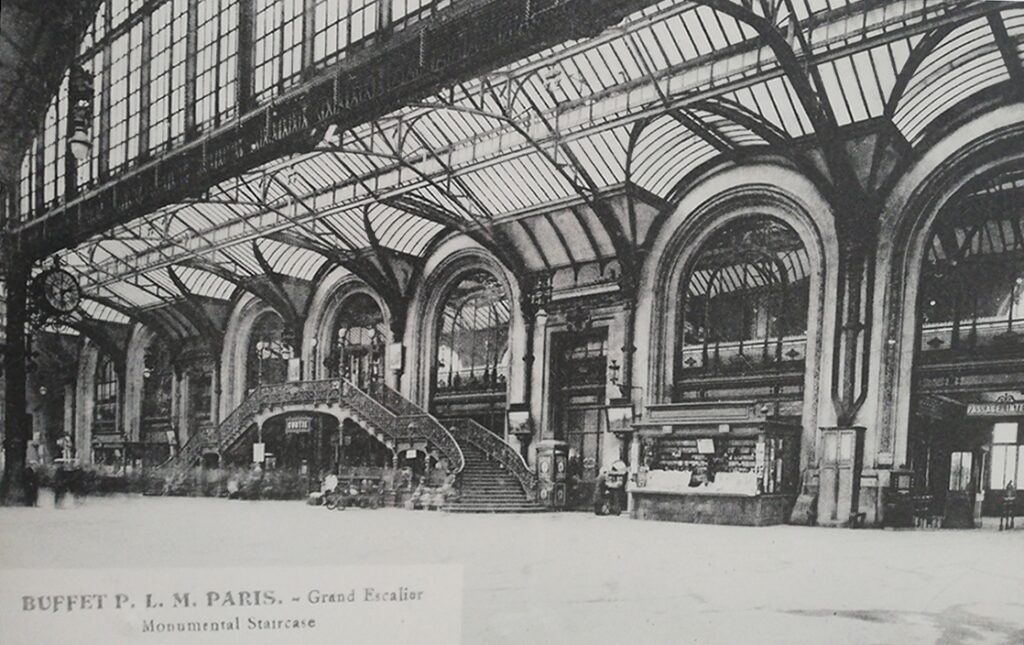
2. Le Train Bleu: The Theatricality of the Belle Époque
The restaurant is defined by monumental ceilings, gilded ornamentation, murals, and dramatic chandeliers. Its architecture functions almost like theatrical scenery. Guests did not simply dine there—they participated in a ritualized luxury experience.
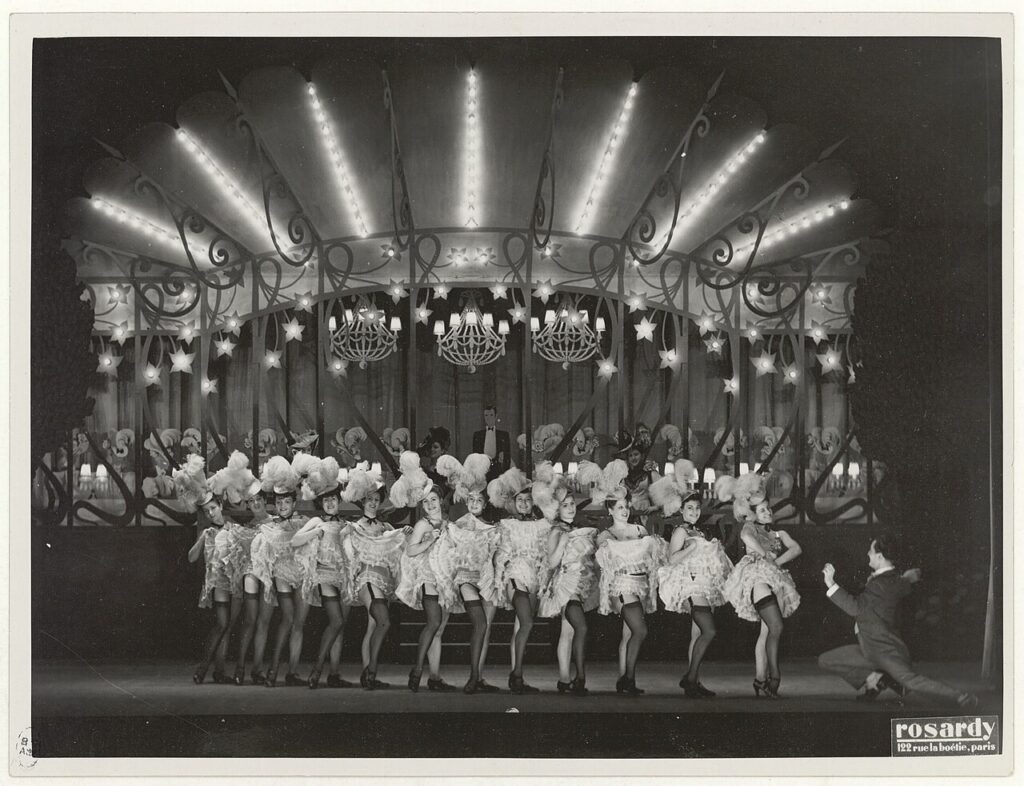
The restaurant is defined by monumental ceilings, gilded ornamentation, murals, and dramatic chandeliers. Its architecture functions almost like theatrical scenery. Guests did not simply dine there—they participated in a ritualized luxury experience.
Le Train Bleu introduced the concept of “destination dining,” where design became equally important as cuisine. Its spatial storytelling later influenced grand hotel restaurants in London, New York, and Milan.
The use of natural light through tall windows combined with elaborate artificial illumination created layered lighting—a technique still fundamental in contemporary fine dining interiors.
Key Design Elements
- Monumental scale
- Decorative ceilings
- Gold detailing
- Murals and storytelling interiors
- Dramatic lighting composition
The Four Seasons Restaurant and American Modernism
The Four Seasons Restaurant, designed by Philip Johnson and Ludwig Mies van der Rohe in 1959, permanently changed the design of high-end restaurants.
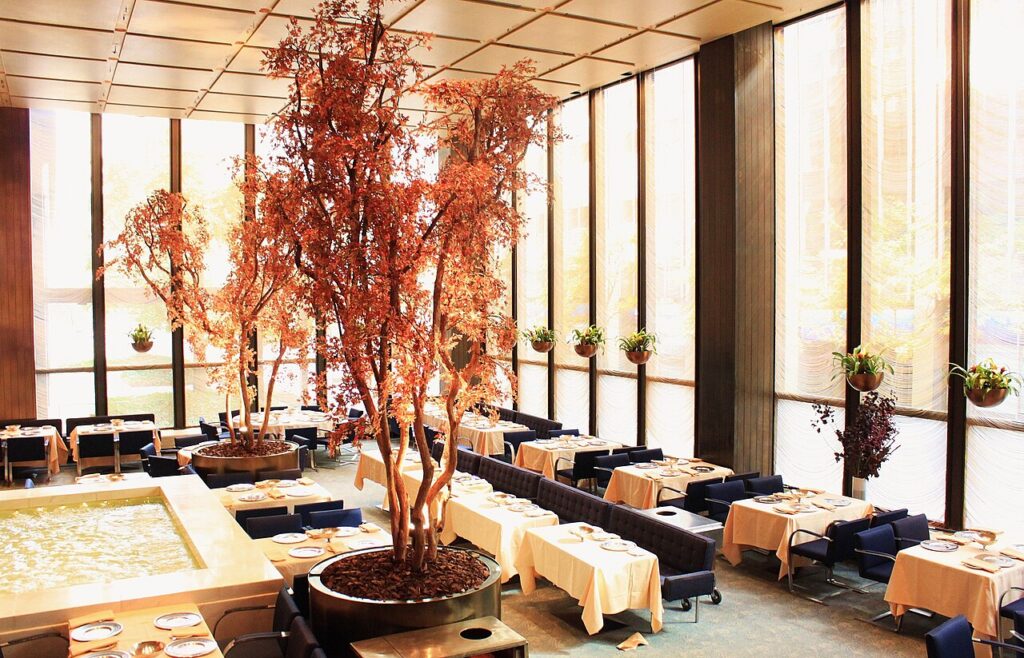
The space became a manifesto of modernism. Clean lines, minimalism, open planning, and geometric precision replaced the decorative excess of previous eras.
The use of materials such as bronze, marble, and walnut paneling created an atmosphere of refined elegance without decorative excess. At the same time, the restaurant introduced the concept of architectural zoning, functionally separating dining experiences through variations in ceiling heights and furniture layouts.
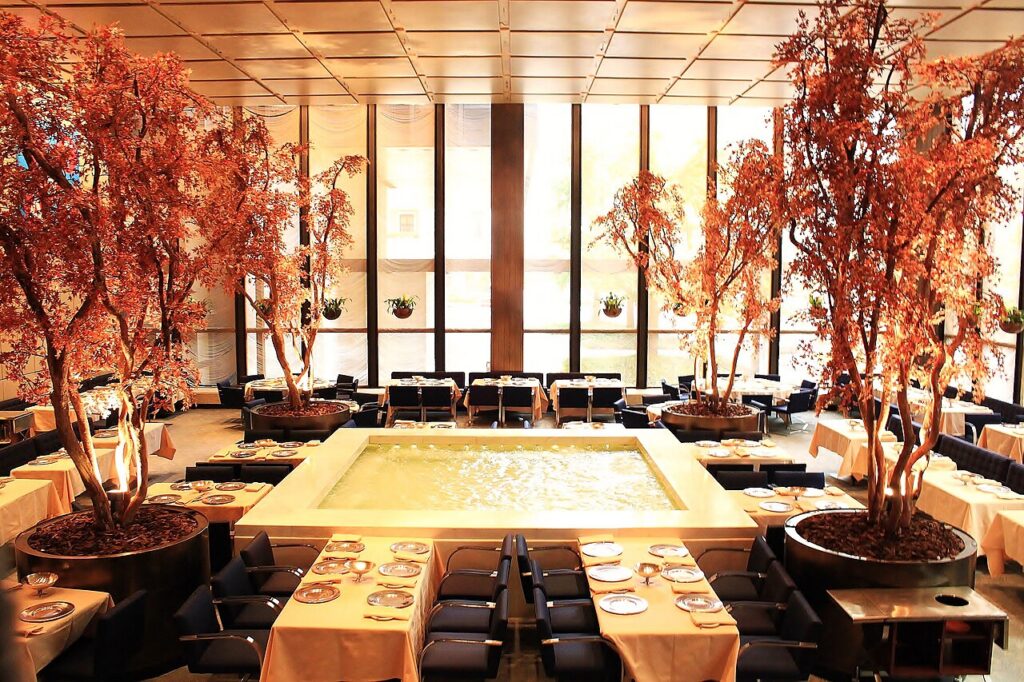
Materials such as bronze, marble, and walnut paneling created an environment of refined sophistication without visual noise. The restaurant also pioneered architectural zoning, differentiating dining experiences through varied ceiling heights and furniture arrangements.
The famous Pool Room, centered around a reflective water feature, demonstrated how a single architectural element could become an experiential focal point.
- The famous Pool Room, centered around a reflective water feature, demonstrated how a single architectural element could become an experiential focal point.
- Minimalist geometry
- Open spatial flow
- Sculptural lighting
- Architectural focal points
The project remains one of the defining masterpieces of hospitality modernism.
4. Studio 54 and the Architecture of Nightlife
Although primarily a nightclub, Studio 54 profoundly influenced the design of bars and nightlife venues worldwide.
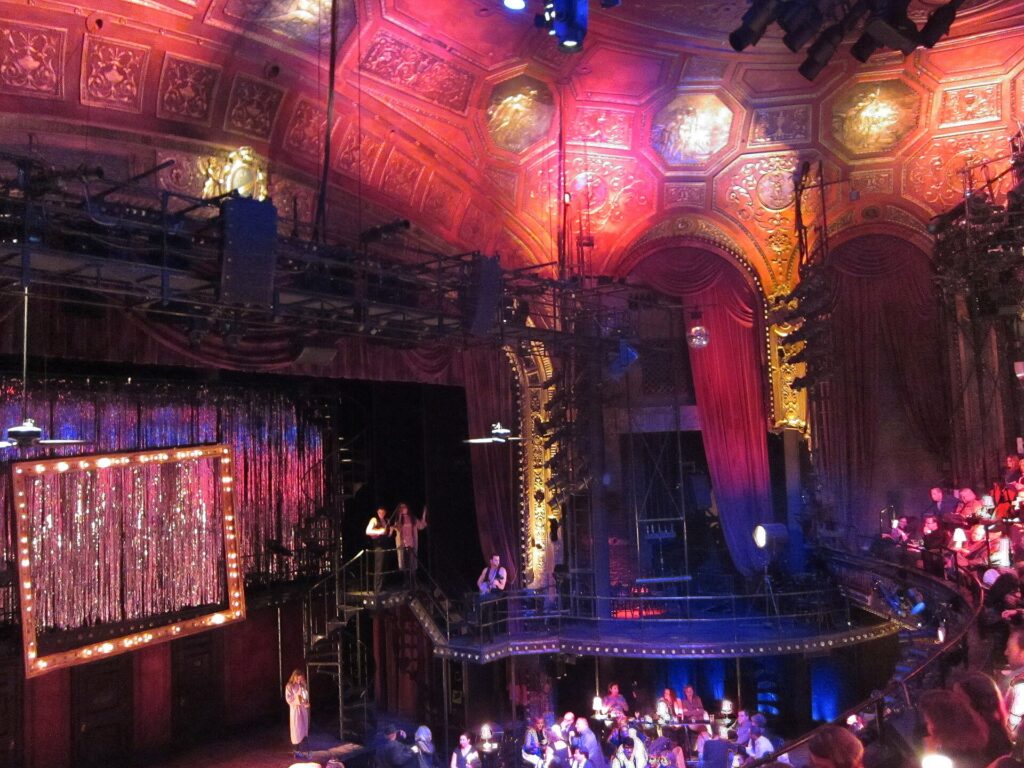
During the 1970s, New York sought spaces of escapism and excess. Studio 54 used theatrical lighting, kinetic installations, elevated stages, and industrial elements to create a fully immersive environment.
Its architecture was never static. The venue constantly transformed through projections, lighting effects, and scenographic interventions. This philosophy later shaped cocktail bars, clubs, and rooftop venues globally.
For the first time, lighting became the protagonist of architectural experience rather than a secondary component.
Design Elements That Became Industry Standards
- Dynamic lighting systems
- Industrial ceilings
- Exposed structures
- Flexible layouts
- Performance‑driven architecture
Today, the vast majority of experiential bars are built upon design principles that first emerged in iconic venues such as Studio 54.
5. Hard Rock Café and Commercial Thematic Architecture
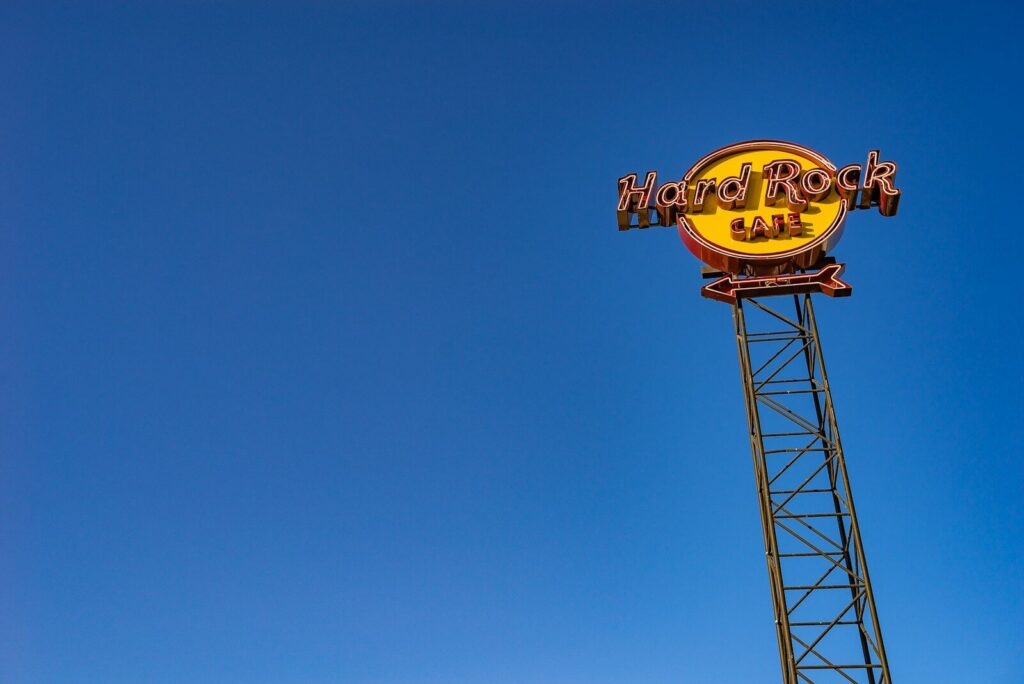
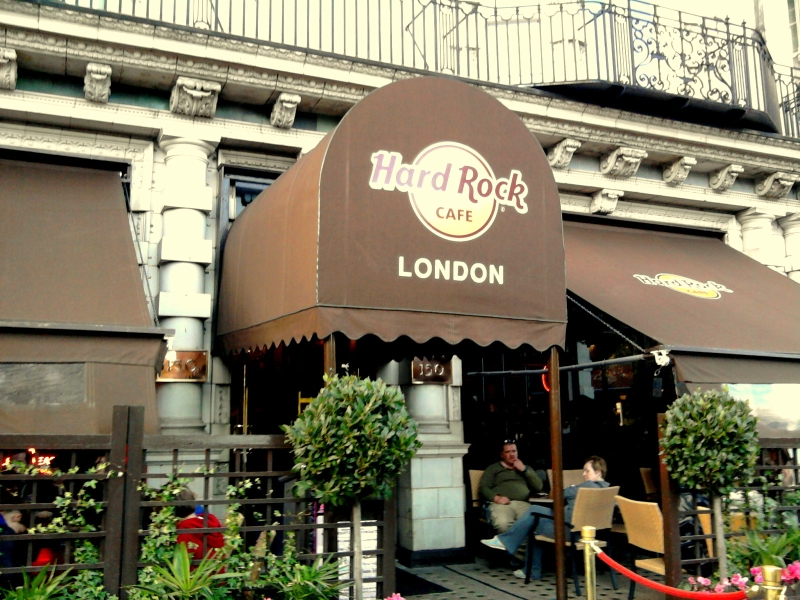
The first Hard Rock Cafe, opened in 1971, transformed the concept of themed restaurants. Before that, thematic decoration was considered secondary. Hard Rock turned interior design into brand identity.
Walls were covered with music memorabilia, electric guitars, costumes, and collectible artifacts. Architecture itself became a storytelling mechanism.
This strategy later influenced chains such as Planet Hollywood and Rainforest Cafe.
The brand also popularized open-plan dining environments filled with visual stimulation. Neon signage, saturated colors, and integrated music systems became part of the spatial experience.
Architectural and Commercial Innovations
- Branded interiors
- Collectible display architecture
- Integrated audiovisual experience
- Retail μέσα στο restaurant
- High‑energy spatial planning
This model became the foundation of experiential hospitality branding.
Nobu and the Globalization of Luxury Minimalism
Nobu, founded by Nobu Matsuhisa and Robert De Niro, redefined the relationship between luxury dining and Japanese minimalism.
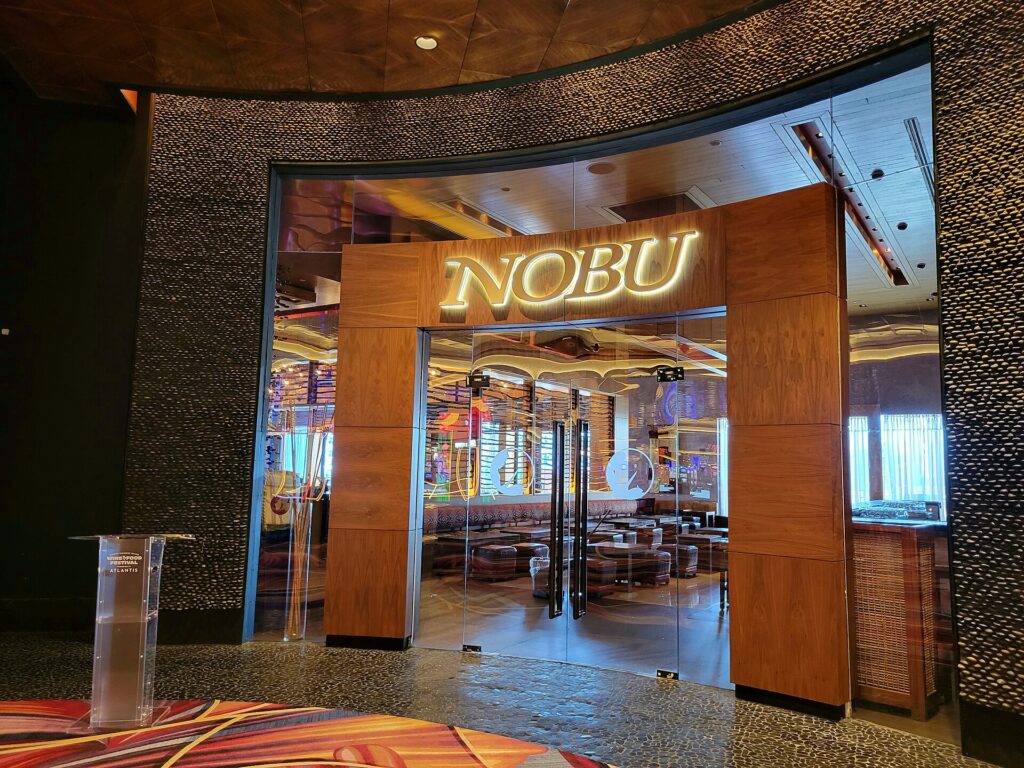
Nobu interiors are characterized by natural textures, dark woods, stone surfaces, low lighting, and controlled spatial drama. The aesthetic merged traditional Japanese design principles with cosmopolitan sophistication.
Its influence throughout the 1990s and 2000s was enormous. Countless upscale restaurants adopted:
- Open sushi counters
- Zen‑inspired interiors
- Natural material palettes
- Low ambient lighting
- Architectural restraint
A major innovation was the emphasis on “sensory balance.” The architecture minimized visual noise in order to heighten the dining experience itself.
Nobu demonstrated that luxury does not require excess—it requires precision.
El Bulli and the Architecture of Culinary Experience
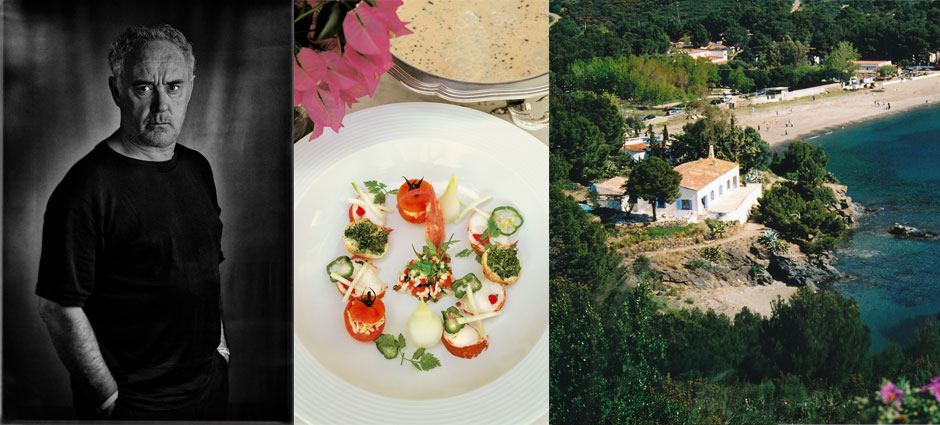
The legendary El Bulli of Ferran Adrià became famous not only for molecular gastronomy but also for its spatial philosophy.
Located in an isolated coastal setting, the restaurant used the surrounding landscape as part of the experience. The architecture did not compete with the cuisine; instead, it functioned as a calm backdrop.
This approach strongly influenced contemporary fine dining architecture through:
- Integration with landscape
- Quiet luxury
- Focus on sensory sequencing
- Controlled circulation
- Emotional pacing
The idea of the “culinary journey” later shaped numerous tasting-menu restaurants worldwide.
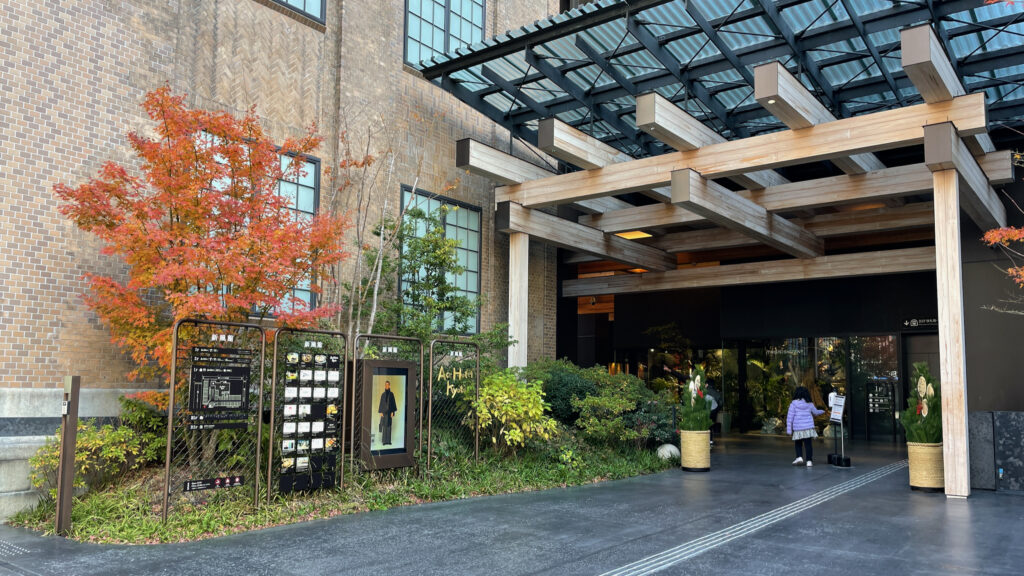
8. Ace Hotel Lobby Bars and Social Hospitality Design
Ace Hotel transformed the philosophy of hotel bars and lobbies. Before the early 2000s, most hotel common areas were designed exclusively for guests.
Ace Hotel introduced a hybrid model where the lobby functioned simultaneously as coworking space, café, bar, and cultural hub.
Architecturally, these interiors embraced:
- Vintage industrial aesthetics
- Reclaimed materials
- Flexible furniture layouts
- Communal tables
- Informal lighting
The model profoundly influenced boutique hospitality worldwide. Today, nearly every lifestyle hotel invests heavily in highly designed social spaces.
The concept of the “Instagrammable interior” gained momentum through venues like these.
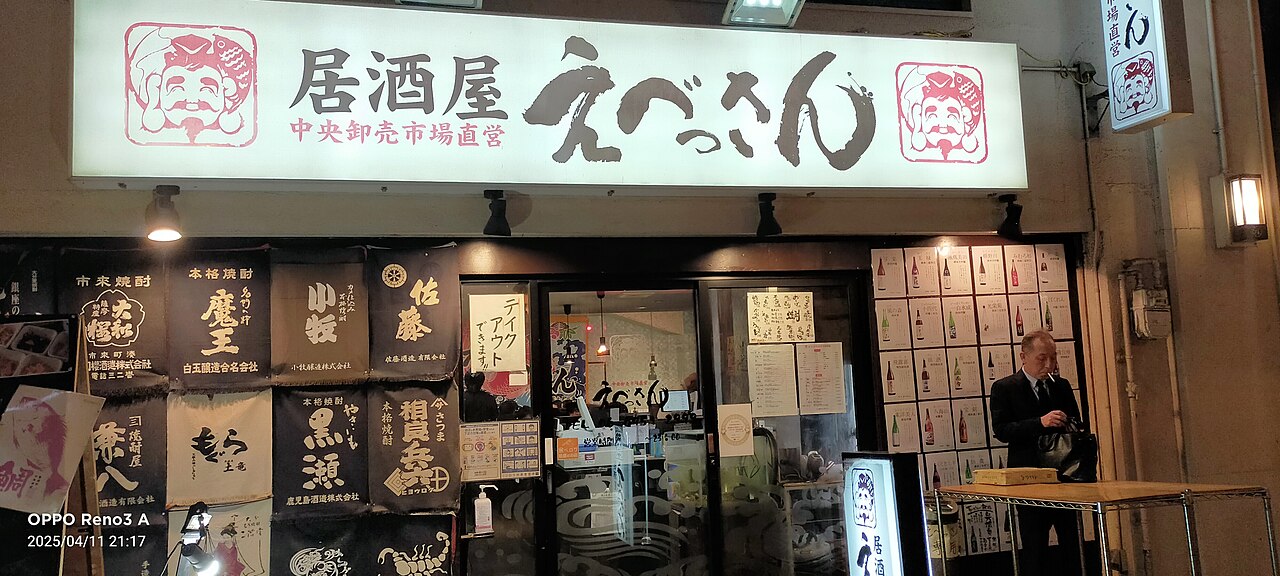
9. Japanese Izakayas and the Architecture of Density
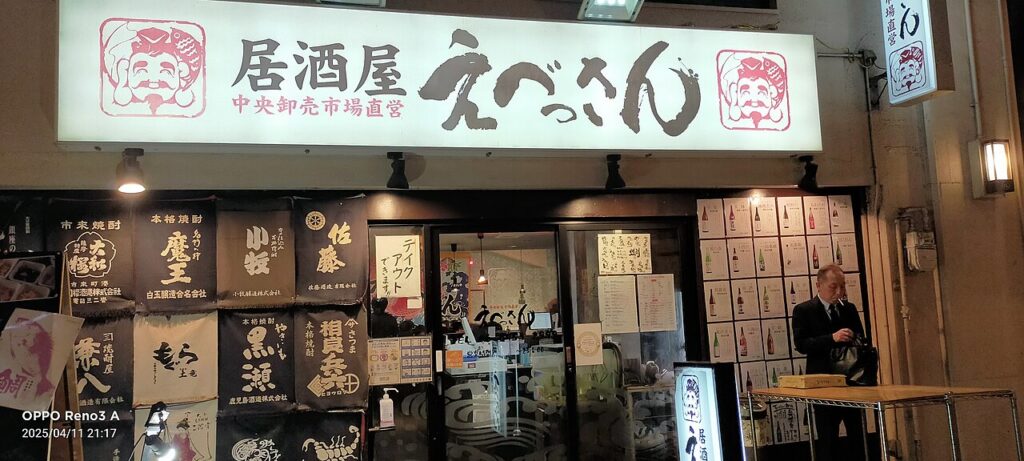
Traditional Japanese Izakaya establishments deeply influenced the design of small bars and restaurants globally.
In dense cities such as Tokyo, limited spatial conditions led to highly efficient layouts. Compact seating, modular furniture, and layered lighting became lessons in functional design.
Izakayas introduced:
- Counter dining
- Open kitchen interaction
- Spatial intimacy
- Warm low lighting
- Efficient circulation
Today, their influence appears in countless urban cocktail bars and ramen restaurants worldwide.
10. Sustainability and the Future of Restaurant Architecture
Contemporary hospitality architecture faces new priorities. Sustainability, energy efficiency, and circular economy principles are radically reshaping restaurant and bar design.
New hospitality venues increasingly invest in:
- Recycled materials
- Passive cooling systems
- Biophilic design
- Adaptive reuse buildings
- Local craftsmanship
Technology is also becoming deeply integrated. Smart lighting systems, acoustic zoning, and digital interaction now create personalized guest experiences.
The post-pandemic era further accelerated interest in outdoor dining, ventilation design, and flexible spatial planning.
Hospitality architecture has evolved into a multidisciplinary field that combines design, psychology, branding, and technology.
The Importance of Lighting in Hospitality Architecture
Lighting is arguably the most critical element of hospitality architecture. From Parisian cafés to contemporary cocktail bars in Singapore, lighting defines atmosphere, spatial perception, and visitor behavior.
Historic fine dining restaurants relied on layered lighting—a combination of ambient, accent, and task illumination. Chandeliers created grandeur, while table lamps introduced intimacy.
By the 1970s and 1980s, cocktail bars adopted theatrical lighting with chromatic shifts and kinetic effects.
Today, many award-winning bars use:
- Warm temperatures 2200K‑2700K
- Hidden LED systems
- Reflective surfaces
- Directional spotlighting
- Dynamic programmable scenes
Lighting now functions as both branding and storytelling.
Materials & Textures: Shaping Spatial Experience
Material selection has always been central to restaurant architecture.
| Design Period | Dominant Materials & Characteristics |
|---|---|
| Early 20th Century | Marble, brass, velvet, hardwood, decorative plaster |
| Modernism Introduced | Glass, steel, concrete, walnut paneling, minimal finishes |
| Industrial Aesthetic of the Late 20th Century | Exposed brick, raw concrete, black steel, industrial mesh, reclaimed wood |
| Contemporary Trends | A renewed emphasis on tactile natural materials that enhance emotional connection and sensory experience within space |
Today, there is a return to tactile natural materials that strengthen emotional connection with space.
Social Media and Contemporary Hospitality Design
Platforms such as Instagram and TikTok have radically transformed hospitality design. Restaurants and bars are now expected to be visually “shareable.”
This has led to:
- Statement staircases
- Sculptural bars
- Neon typography
- Artistic bathrooms
- Signature installations
Many architects now intentionally design “photo moments” within spaces. Architecture has become a marketing tool as much as a functional discipline.
At the same time, social media visibility has created an entirely new relationship between architecture and digital culture.
The history of restaurant and bar architecture is ultimately the history of urban social life itself. From Parisian cafés to immersive nightlife venues and contemporary sustainable restaurants, every era introduced new ways of gathering, consuming, and experiencing culture.
The venues explored here became historic not merely because of their aesthetics, but because they transformed the way hospitality is understood. They introduced new typologies, materials, relationships with light, music, and social interaction.
Today, hospitality architecture stands at a transitional moment where sustainability, technology, and experience coexist. Yet the core principles remain unchanged: a space must tell a story, evoke emotion, and create memory.
Restaurant and bar architecture is not only about design—it is about the ways people meet, communicate, and experience culture itself.