Skip to content

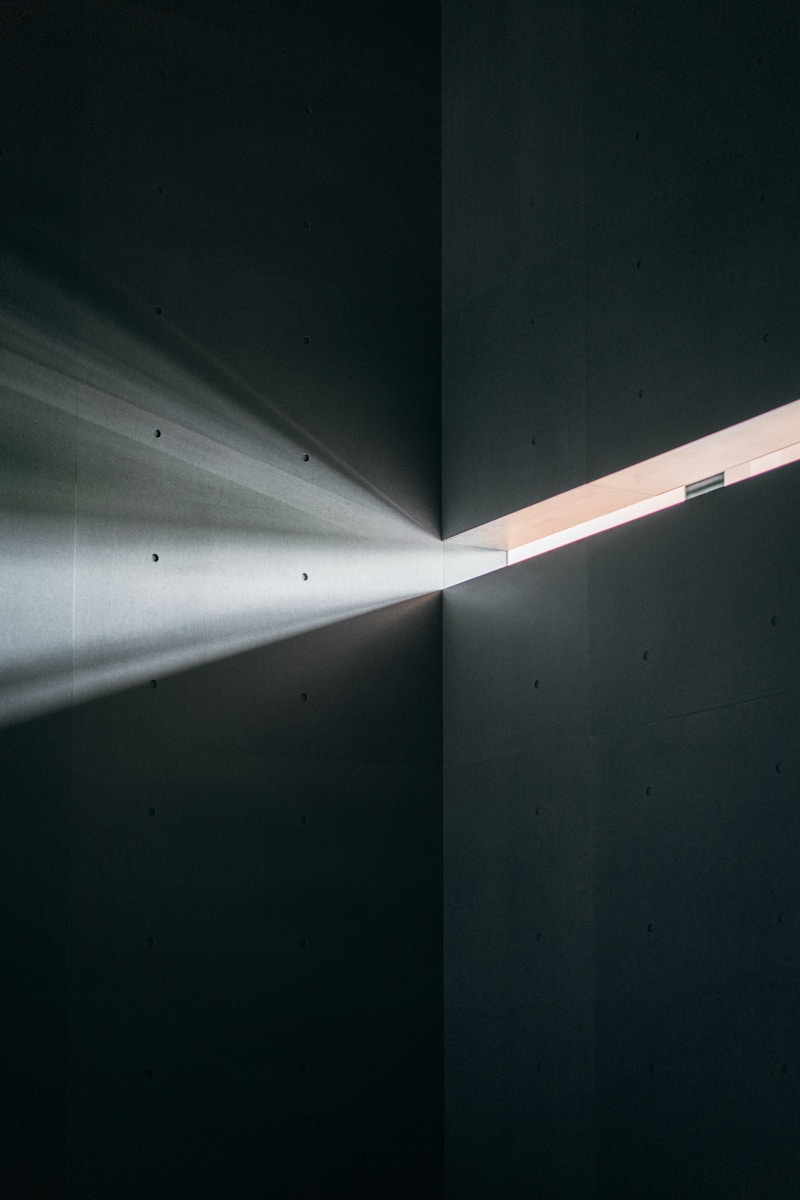
Before stone was stacked or timber was raised, before walls enclosed space or roofs offered shelter, there was light. Light precedes architecture not only chronologically—at dawn, every building is first revealed by light—but conceptually, as the invisible medium through which space becomes intelligible. Architecture, at its deepest level, is not merely the manipulation of mass and void, but the careful orchestration of light and shadow across time.
Throughout history, architects have treated light as a sacred substance, a structural force, and a poetic instrument. The story of architecture can be read as a continuous dialogue between form and illumination, between the desire to capture light and the necessity of tempering it. From the primal darkness of prehistoric shelters to the luminous transparency of modern glass buildings, light has shaped how architecture is experienced, remembered, and understood.
The Sacred Dawn: Light in Ancient Architecture
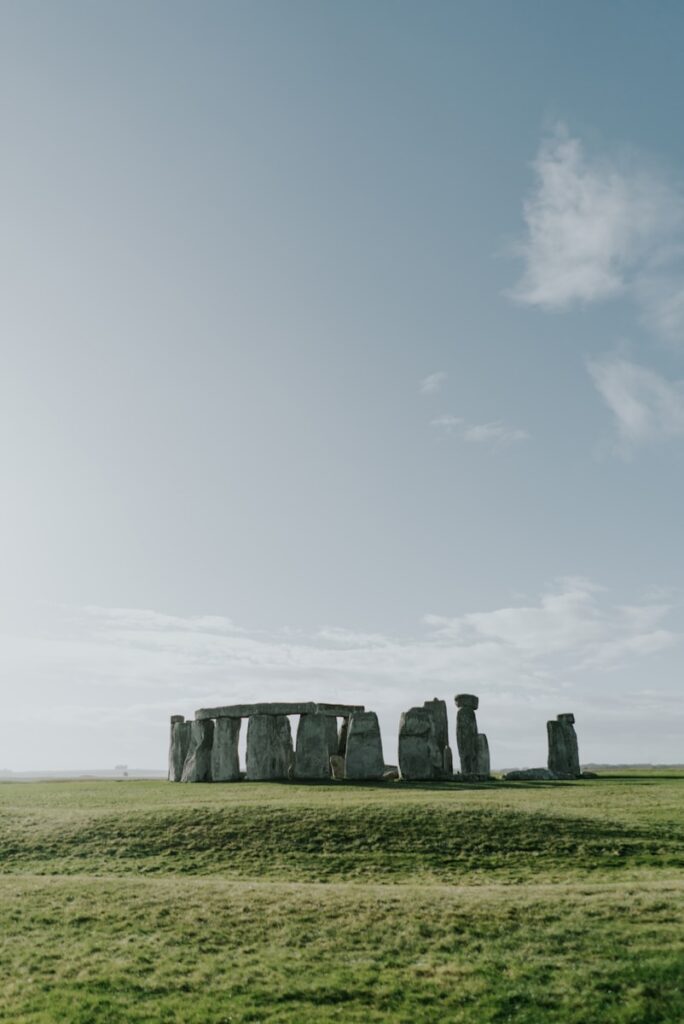
In the earliest architectural constructions, light was inseparable from cosmology. Prehistoric monuments such as Stonehenge are not buildings in the conventional sense, yet they are precise instruments for framing light. The alignment of stones with the solstices reveals an early understanding that architecture could choreograph celestial illumination, transforming light into a marker of time, ritual, and collective meaning.
Ancient Egyptian architecture elevated this relationship to a monumental scale. Temples were conceived as sequences of increasingly dark spaces, guiding the visitor from the bright exterior into the shadowed sanctum where the divine resided. Light was rationed, filtered through massive pylons and narrow openings, reinforcing the metaphysical separation between the human and the godly. At Abu Simbel, the temple of Ramses II is famously aligned so that sunlight penetrates the inner sanctuary only twice a year, illuminating the statues of the gods. Here, light becomes an event—rare, symbolic, and absolute.
In classical Greek architecture, light was treated with restraint and clarity. The Greek temple was not designed for interior occupation but for exterior contemplation. Bathed in Mediterranean sunlight, its fluted columns and sculpted pediments relied on sharp light and shadow to articulate form. The Parthenon, with its subtle refinements, demonstrates an acute sensitivity to how light reveals proportion, correcting optical illusions and giving the marble structure a living vibrancy as the sun moves across the sky.
Roman Mastery: Light as Engineering and Drama
The Romans inherited Greek principles but transformed them through engineering innovation. With the invention of concrete, architecture was liberated from strict post-and-lintel systems, allowing for vast interior spaces shaped by domes, vaults, and arches. Light entered architecture not merely through openings in walls but through carefully engineered voids.
The Pantheon remains the most profound Roman meditation on light. Its oculus, a circular opening at the apex of the dome, admits a single shaft of daylight that moves across the interior like a cosmic clock. The light is never static; it reveals the geometry of the dome, the texture of the coffers, and the immensity of the space. Rain falls through the oculus, reinforcing the idea that the building is open to the heavens. The Pantheon is not illuminated; it is animated by light.
Roman baths, basilicas, and forums also demonstrate a civic use of illumination. Clerestory windows and large glazed openings brought daylight into public interiors, signaling a shift toward architecture as a shared, social experience shaped by light.
Gothic Transcendence: Light as Theology
If Roman architecture mastered light as spectacle, Gothic architecture transformed it into theology. Nowhere is this more evident than in the cathedrals of medieval Europe, where light was understood as a manifestation of the divine. Abbot Suger, the patron of the Basilica of Saint-Denis, believed that radiant light could elevate the soul toward God. Architecture became a vessel for spiritual illumination.
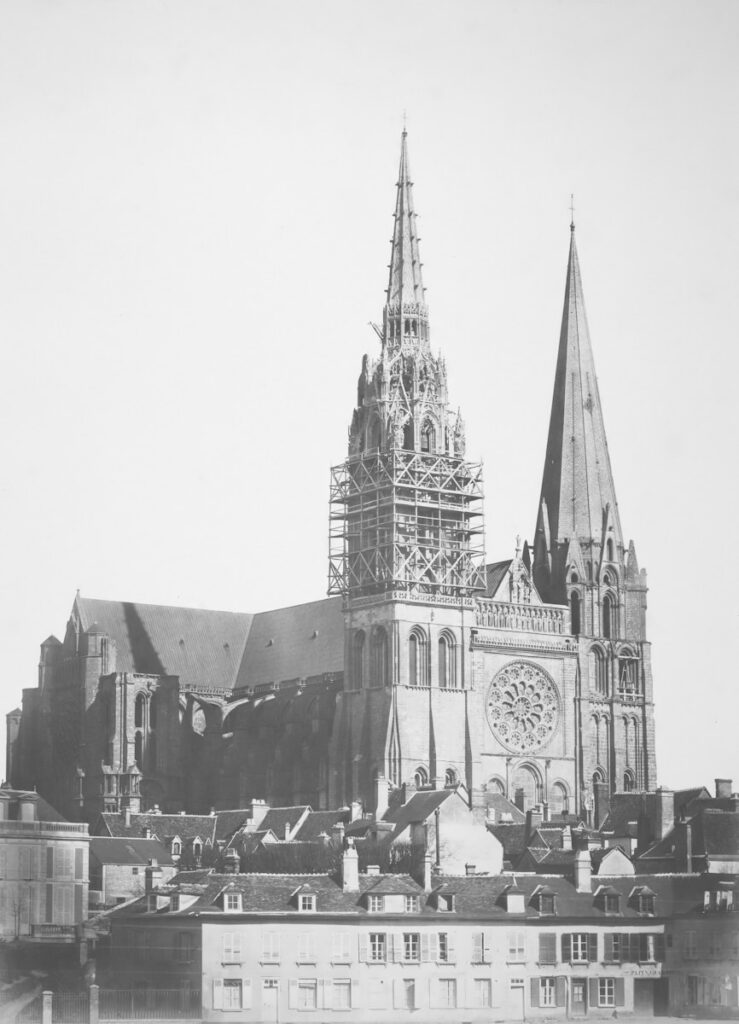
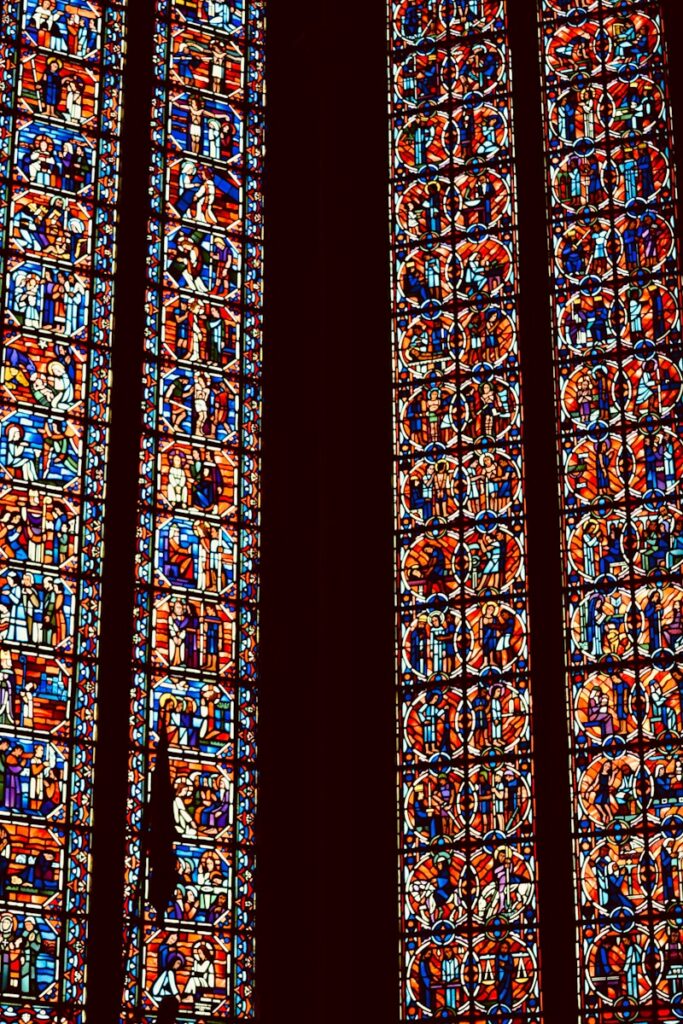
The structural innovations of the Gothic—pointed arches, ribbed vaults, and flying buttresses—were not merely technical achievements. They were means to dissolve walls and replace stone with glass. Stained glass windows filtered sunlight into colored narratives, turning light into scripture. The interior of Chartres Cathedral, suffused with deep blues and reds, does not simply admit daylight; it transforms it into a metaphysical presence.
Here, light is dematerialized. The heavy masonry seems to disappear, replaced by vertical shafts of color and glow. Shadow remains essential, for without darkness the light would lose its mystery. Gothic architecture thrives on contrast, on the oscillation between brilliance and obscurity.
Renaissance and Baroque: Light as Reason and Theater
The Renaissance brought a renewed emphasis on proportion, clarity, and humanism. Architects such as Brunelleschi and Alberti treated light as a rational element, evenly distributed to reveal harmonious geometry. Churches like San Lorenzo in Florence use daylight to articulate space with calm precision, reinforcing a worldview rooted in balance and intelligibility.
The Baroque period, by contrast, reintroduced drama. Light became theatrical, directional, and emotional. Architects like Bernini and Borromini manipulated light to heighten movement and tension. In Sant’Ivo alla Sapienza, light spirals upward, emphasizing the dynamic geometry of the dome. In Baroque churches, hidden windows create bursts of illumination that seem almost miraculous, blurring the boundary between architecture and stagecraft.
Modernity: Light as Space Itself
The advent of modern architecture marked a radical rethinking of light. Industrial materials—steel, reinforced concrete, and glass—allowed buildings to open themselves entirely to daylight. Light was no longer filtered through ornament or symbolism but treated as an essential component of spatial experience.
Le Corbusier famously described architecture as “the learned game, correct and magnificent, of forms assembled in the light.” His buildings demonstrate a profound understanding of how light defines space. At the Chapel of Notre Dame du Haut at Ronchamp, thick walls are punctured by irregular openings that admit shafts of light like spiritual wounds, recalling Gothic transcendence through modern means.
Le Corbusier famously described architecture as “the learned game, correct and magnificent, of forms assembled in the light.” His buildings demonstrate a profound understanding of how light defines space. At the Chapel of Notre Dame du Haut at Ronchamp, thick walls are punctured by irregular openings that admit shafts of light like spiritual wounds, recalling Gothic transcendence through modern means.
Ludwig Mies van der Rohe pursued a different path, using glass to dissolve boundaries between inside and outside. In buildings such as the Barcelona Pavilion, light flows freely across reflective surfaces, making space feel continuous and weightless. Here, architecture becomes a frame for light rather than a container.
Louis Kahn returned light to a metaphysical register. He spoke of light as “the giver of all presences.” In the Kimbell Art Museum, natural light is carefully modulated through cycloid vaults and reflectors, ensuring that artworks are illuminated gently and evenly. Light is shaped, not merely admitted; it is constructed.
Contemporary Reflections: Light, Technology, and Atmosphere
In contemporary architecture, light is increasingly dynamic and responsive. Digital modeling allows architects to simulate daylight across seasons, while advanced glazing technologies enable precise control over heat and glare. Yet the most compelling contemporary works treat light not as a technical problem but as an atmospheric condition.
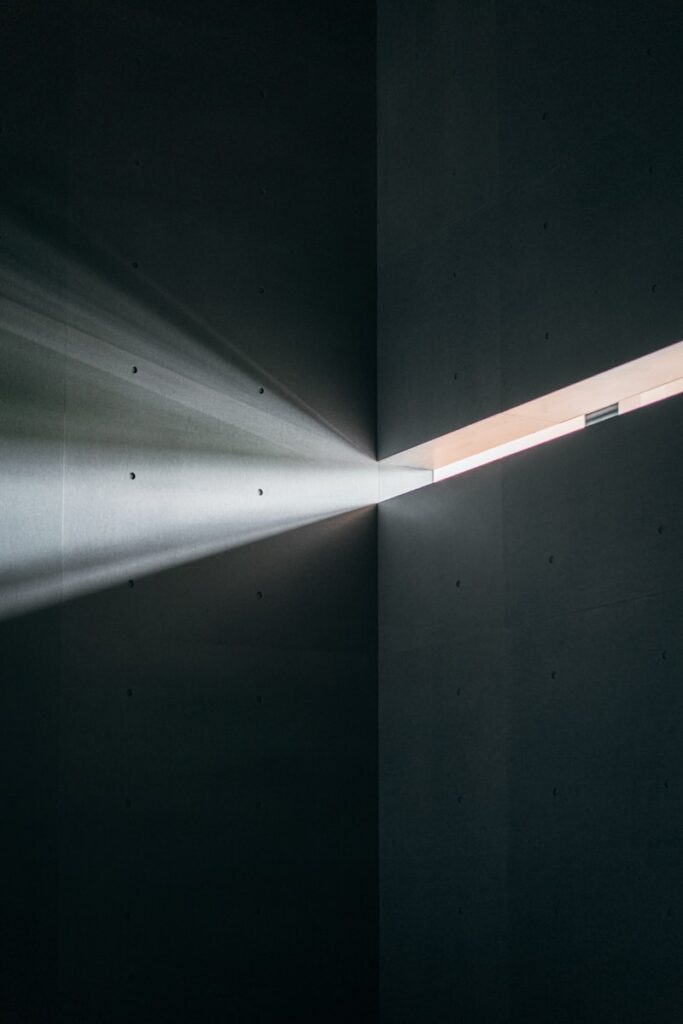
Architects such as Tadao Ando use light with almost ascetic restraint. His concrete buildings are carved by light rather than decorated by it. In the Church of the Light, a simple cross-shaped opening transforms the interior into a silent dialogue between darkness and illumination. The absence of excess allows light to become the primary architectural expression.
Today, as artificial lighting extends architecture into the night, the distinction between natural and artificial light becomes blurred. Urban skylines glow, interiors shift color and intensity, and buildings communicate through illumination. Yet the fundamental question remains unchanged: how does light shape our experience of space?
Architecture as a Vessel for Light
Across centuries and cultures, light has remained architecture’s most elusive and powerful material. It cannot be touched, weighed, or owned, yet it defines form more profoundly than stone or steel. Architecture does not merely shelter us from light; it reveals it, frames it, and gives it meaning.
To build is, in essence, to negotiate light—to invite it, resist it, soften it, or celebrate it. In this negotiation lies architecture’s enduring poetry. When buildings endure in memory, it is often not their dimensions we recall, but the way light fell across a wall, a floor, or a face. Architecture lives, finally, in light.